






The FKF Premier League is once again under scrutiny following the controversial clash between Gor Mahia and Tusker FC at Wang’uru Stadium on Tuesday, April 14, 2026.
What was expected to be a high-stakes title race encounter instead turned into a flashpoint for criticism, raising serious questions about match venue standards, league organization, and the integrity of competition in Kenyan football.
Pitch Conditions Spark Outrage
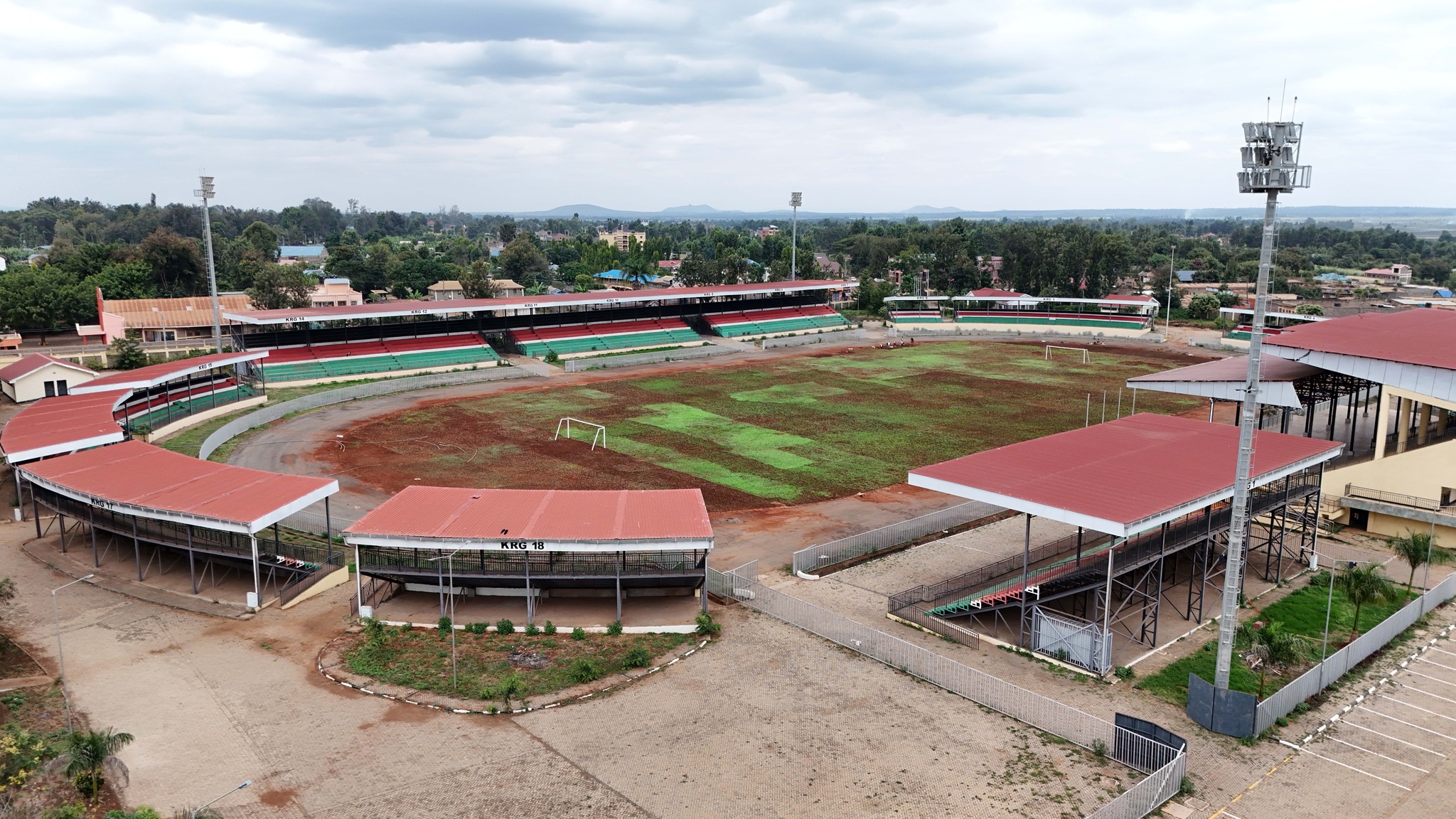
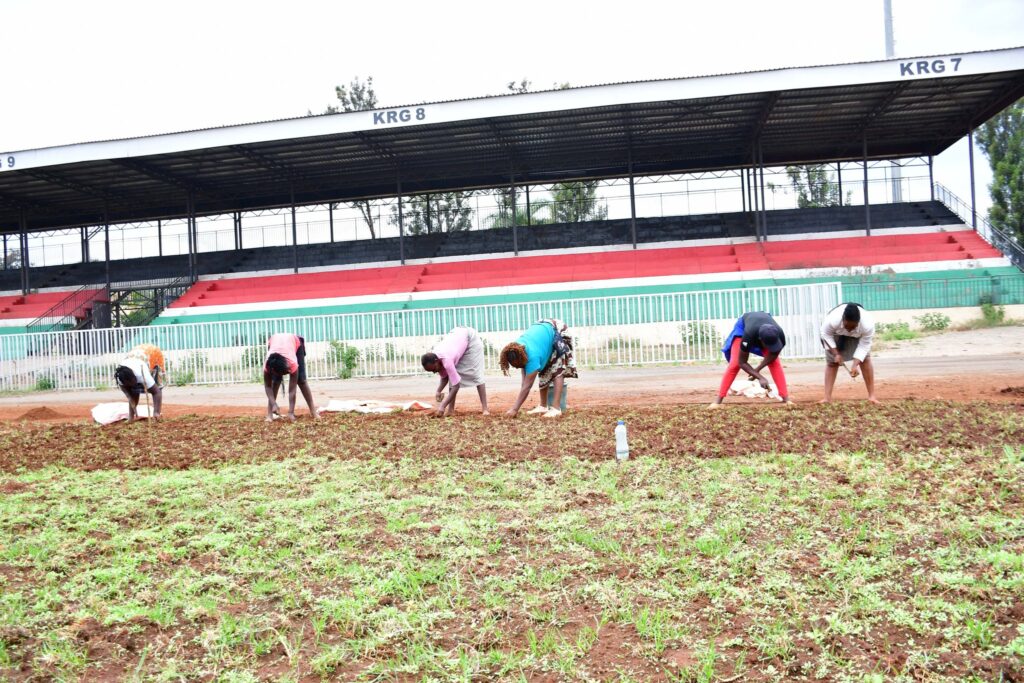
The biggest talking point from the match was the condition of the Wang’uru playing surface. Officials and technical bench members from Gor Mahia openly criticized the pitch, describing it as unfit for top-tier football.
The poor state of the field appeared to disrupt fluid play, forcing a more physical and unpredictable game. Pass accuracy, ball control, and overall match tempo were visibly affected, undermining the quality expected in a fixture of such magnitude.
Concerns have since emerged over how the stadium passed inspection and received approval to host a match of this caliber.

Questions Over Venue Selection
Tusker’s decision to host the match in Mwea, despite having access to better training facilities in Nairobi, has fueled debate about fairness in venue selection.
Critics argue that allowing clubs to pick venues with substandard conditions opens the door to tactical manipulation, where the aim is to disrupt technically superior opponents rather than promote competitive balance.
In more structured leagues, high-profile matches are often restricted to certified venues that meet strict quality benchmarks. In contrast, the FKF Premier League continues to operate with flexible—and often inconsistent—venue policies.
Penalty Controversy Adds Fuel
The tension was further heightened by a contentious refereeing decision after Gor Mahia were denied what many believed to be a clear penalty.


In a match already affected by poor pitch conditions, the incident amplified frustrations and raised concerns about officiating standards. Analysts note that difficult playing surfaces can make refereeing more challenging, increasing the likelihood of errors in key moments.
A League-Wide Infrastructure Problem
The Wang’uru incident is symptomatic of a broader infrastructure crisis within the FKF Premier League.
With major venues like Nyayo and Kasarani Stadiums frequently unavailable, clubs are often forced to seek alternative grounds, many of which fall short of professional standards. This has led to a “nomadic” league culture, where teams regularly change home venues, sacrificing consistency and fan experience.
The result is a competition where:
- Match quality varies significantly
- Player safety can be compromised
- Competitive integrity is frequently questioned
- Was Wang’uru Fit for a Match of This Magnitude?
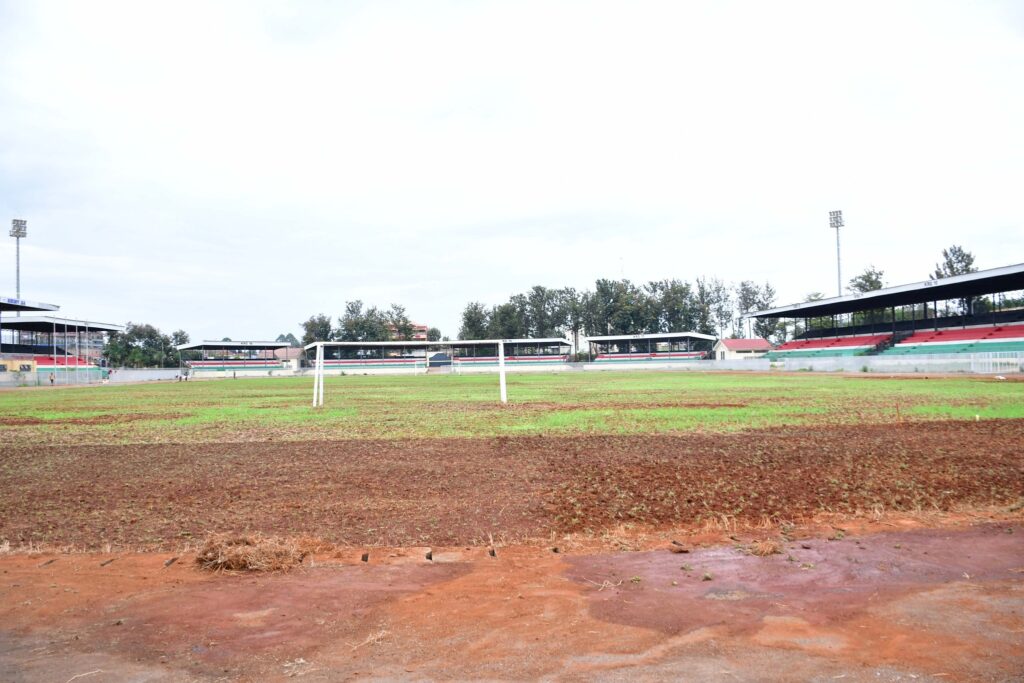
While Wang’uru Stadium may meet the league’s minimum requirements, its suitability for a high-profile fixture like Gor Mahia vs Tusker is now under serious doubt.
From pitch quality to officiating controversy, the match exposed the gap between minimum compliance and professional excellence.
The Bigger Picture
For the FKF Premier League to grow commercially and gain international credibility, urgent reforms are needed:
- Stricter stadium inspection and certification processes
- Centralized planning for high-profile fixtures
- Increased investment in football infrastructure
Without these changes, matches like this risk becoming defined not by footballing brilliance, but by controversy.
Conclusion
The clash at Wang’uru Stadium should have showcased the best of Kenyan football. Instead, it highlighted systemic weaknesses that continue to hold the league back.
Until venue standards and organizational structures are improved, the FKF Premier League will struggle to deliver the consistency, fairness, and quality that fans and stakeholders demand.


