

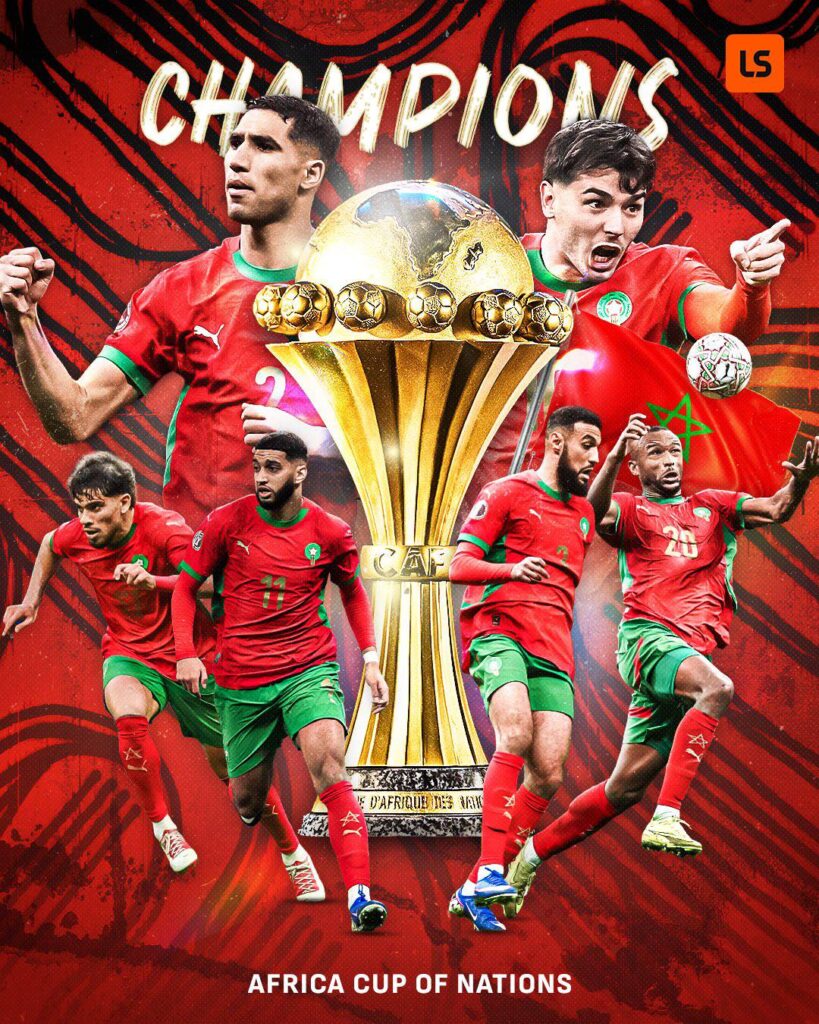
African football has been thrown into unprecedented controversy after the Confédération Africaine de Football Appeal Board officially awarded the AFCON 2025 title to Morocco, following a ruling that Senegal forfeited the final match.
In a decision that is already sending shockwaves across the continent, CAF declared the match result as 3–0 in favour of Morocco, effectively rewriting the outcome of Africa’s biggest football event.
How the Final Was Decided Off the Pitch
The ruling came after a formal appeal by the Fédération Royale Marocaine de Football, challenging earlier disciplinary findings.
CAF’s Appeal Board:
- Set aside the initial Disciplinary Board decision
- Upheld Morocco’s protest
- Found Senegal guilty of breaching Articles 82 and 84 of AFCON regulations
Under these rules, CAF determined that Senegal’s conduct during the final warranted the ultimate sanction—match forfeiture.
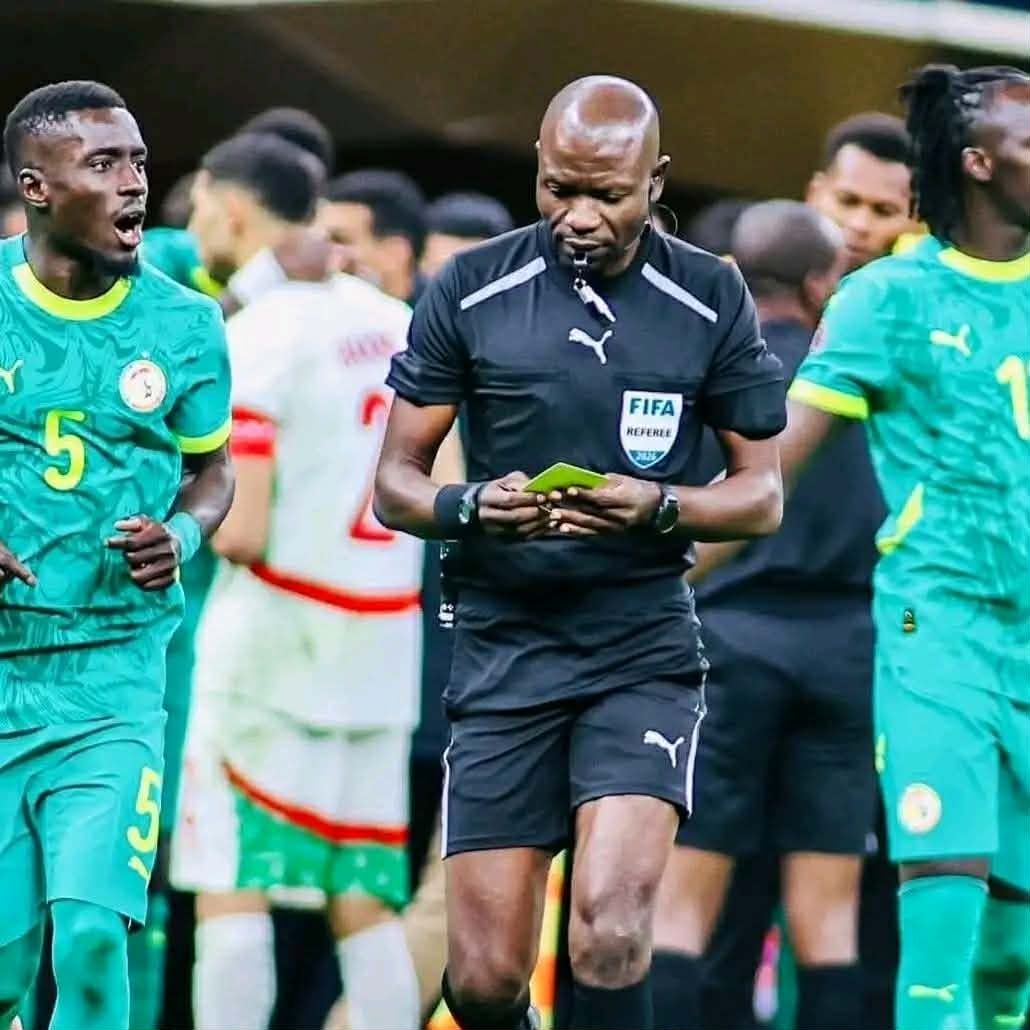
Senegal Found Guilty of Misconduct
According to CAF, the Fédération Sénégalaise de Football, through the actions of its team, violated Article 82, which covers misconduct. This breach triggered Article 84, allowing CAF to:
- Nullify the result
- Award a 3–0 victory to Morocco
While CAF stopped short of detailing every incident publicly, the severity of the punishment signals serious disciplinary failings during the final.
Morocco Win Title Amid Sanctions
Despite being declared champions, Morocco was also found culpable in several incidents during the match.
CAF confirmed:
- Ball boys misconduct → Fine reduced to $50,000
- VAR review area interference → $100,000 fine upheld
- Laser incident → Fine reduced to $10,000
The rulings highlight that while Morocco benefited from the decision, they were not cleared of wrongdoing.
Player Discipline: Saibari Sanctioned
Morocco midfielder Ismaël Saibari was also penalized:
- Found guilty of misconduct
- Handed a two-match suspension (one suspended)
- Original $100,000 fine overturned
Reactions Across Africa
The decision has sparked intense debate among fans, pundits, and federations: Some argue CAF upheld the integrity of the rules. Others believe a final should never be decided in the boardroom
From Dakar to Casablanca, opinions remain sharply divided, with many calling this one of the most controversial rulings in AFCON history.
What This Means for African Football
This landmark decision sets a powerful precedent:
- Finals can be legally overturned
- Discipline is now central to tournament outcomes
- CAF has demonstrated a willingness to enforce rules at the highest level
- For teams preparing for future tournaments—including AFCON 2027—this ruling serves as a clear warning:
- What happens off the ball can be just as decisive as what happens on it.
Conclusion
AFCON 2025 will be remembered not for a winning goal or a heroic performance—but for a historic ruling that changed everything. In the end, the trophy didn’t go to the team that won on the pitch, but to the one that won the case. And African football may never be the same again.
