

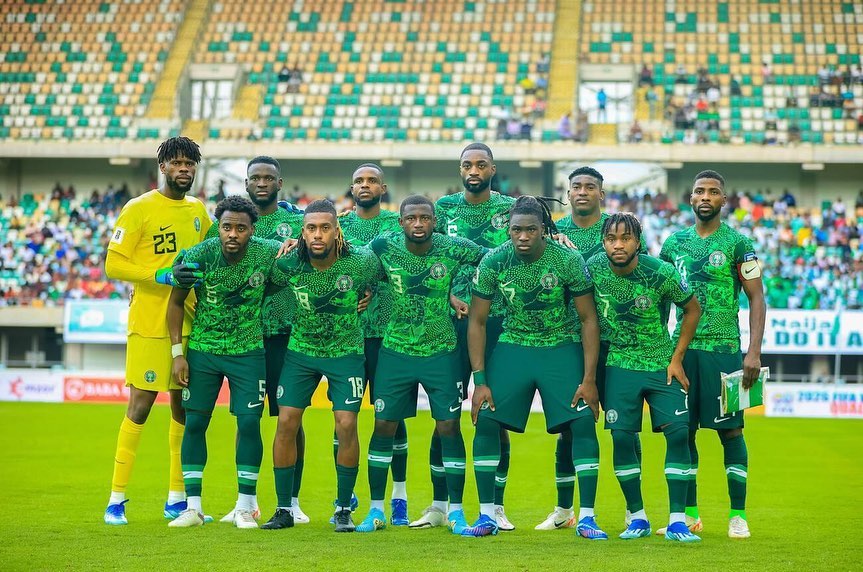
In anticipation of the upcoming 2023 AFCON, Nigeria stands out as a nation eagerly awaiting the tournament, particularly following the challenging two-year period for the Super Eagles. The team experienced a tumultuous phase marked by their exit in the round of 16 during the 2021 AFCON and the subsequent failure to qualify for the 2022 World Cup.
Despite Nigeria’s impressive track record of winning the AFCON three times and securing medals on 15 occasions, there looms a pervasive sense of underachievement. This sentiment emanates from the perennial desire for excellence ingrained in the Nigerian sporting psyche. The unexpected triumph in 2013, when Nigeria emerged as champions, contrasted sharply with the present scenario where the nation’s abundant talent is subjected to heightened scrutiny, intensifying the already formidable challenges.
Much like the preceding AFCON, the preparatory phase has been marred by a string of injuries. The misfortune experienced in Cameroon, where key players like Odion Ighalo, Victor Osimhen, Emmanuel Dennis, and Paul Onuachu were unavailable, continues to plague the team. The latest setback involves the unfortunate loss of Victor Boniface to injury, with the Bayer Leverkusen star departing from the squad on January 8, 2024. Additionally, Taiwo Awoniyi, who previously stepped in for Osimhen, is also sidelined due to injury.
Victor Osimhen, the reigning CAF African Player of the Year and Napoli striker, shoulders the responsibility of leading the attack and providing the goals to propel the Super Eagles towards reclaiming the AFCON title, last secured in 2013. Osimhen approaches this mission with heightened determination, particularly after his absence in the previous AFCON edition.
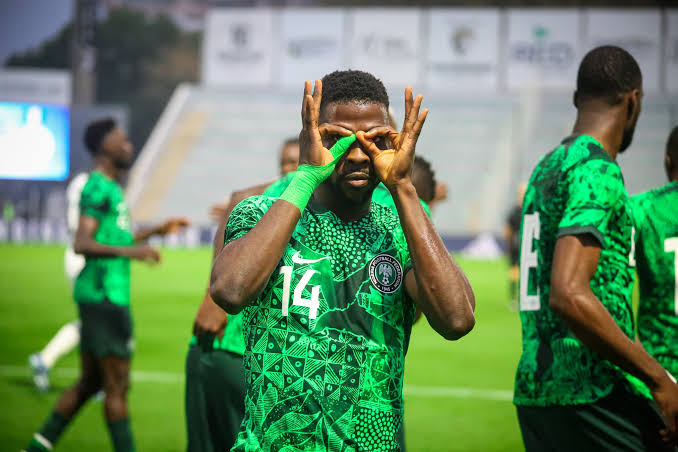
Compounding the challenges, the Super Eagles enter the AFCON on the back of a winless streak in their last three games. As they embark on this highly anticipated tournament, the expectations and aspirations of a nation rest on their ability to overcome adversity and reassert their dominance on the African football stage.
The final 25-man squad features a formidable mix of domestic and international talents, representing various prestigious football clubs globally.In the goalkeeping department, the team features Stanley Nwabili from Chippa United, Francis Uzoho representing Omonia, and Olorunleke Ojo of Enyimba. The defensive lineup showcases skilled players such as Ola Aina from Nottingham Forest, Chidozie Awaziem of Boavista, Bright Osayi-Samuel playing for Fenerbahce, William Troost-Ekong from PAOK Salonika, Bruno Onyemaechi of Boavista, Kenneth Omeruo from Kasimpasa, Semi Ajayi representing West Bromwich Albion, Calvin Bassey from Fulham, and Zaidu Sanusi of Porto. The midfield is fortified by Alhassan Yussuf of Antwerp, Raphael Onyedika from Club Brugge, Joe Aribo representing Southampton, Frank Onyeka of Brentford, and Alex Iwobi from Fulham. The attacking front is led by Ahmed Musa of Sivasspor, alongside Victor Osimhen from Napoli, Leicester City’s Kelechi Iheanacho, Sadiq Umar of Real Sociedad, Moses Simon of Nantes, Ademola Lookman playing for Atalanta, Samuel Chukwueze from AC Milan, and Terem Moffi from Nice replacing injured Victor Boniface.
As Nigeria embarks on their quest for the African title, they commence their campaign this Sunday, January 14th, against Equatorial Guinea at the Alassane Ouattara Stadium in Abidjan.
