

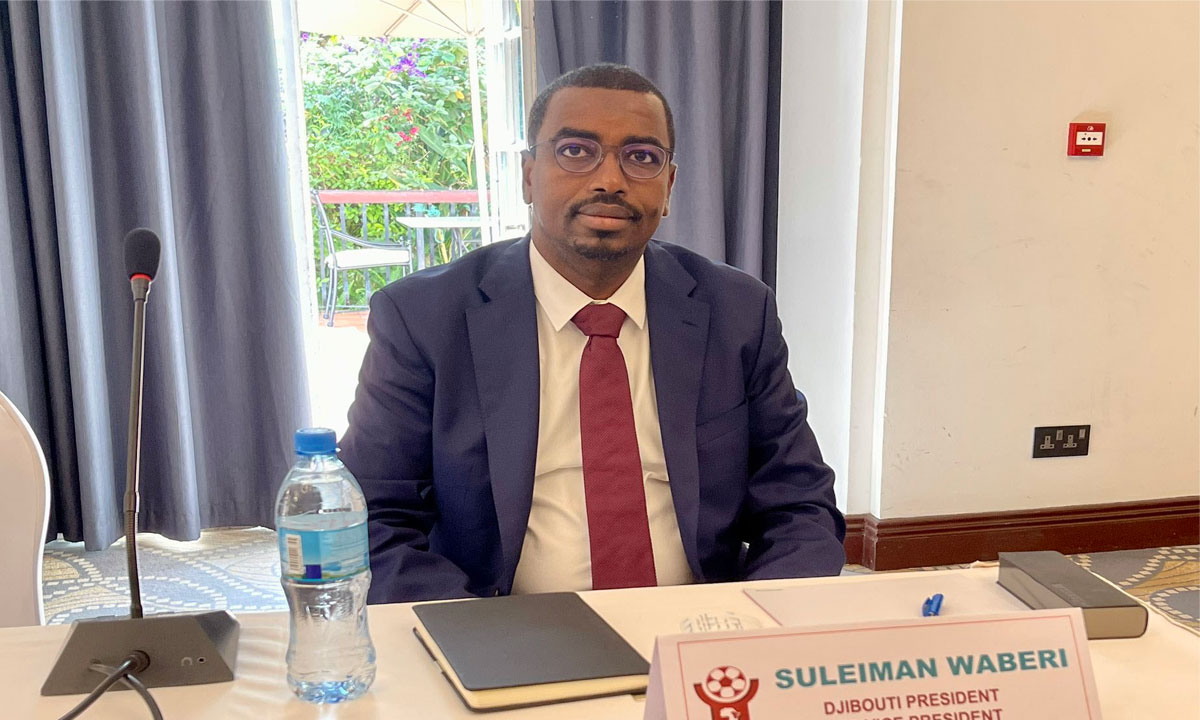
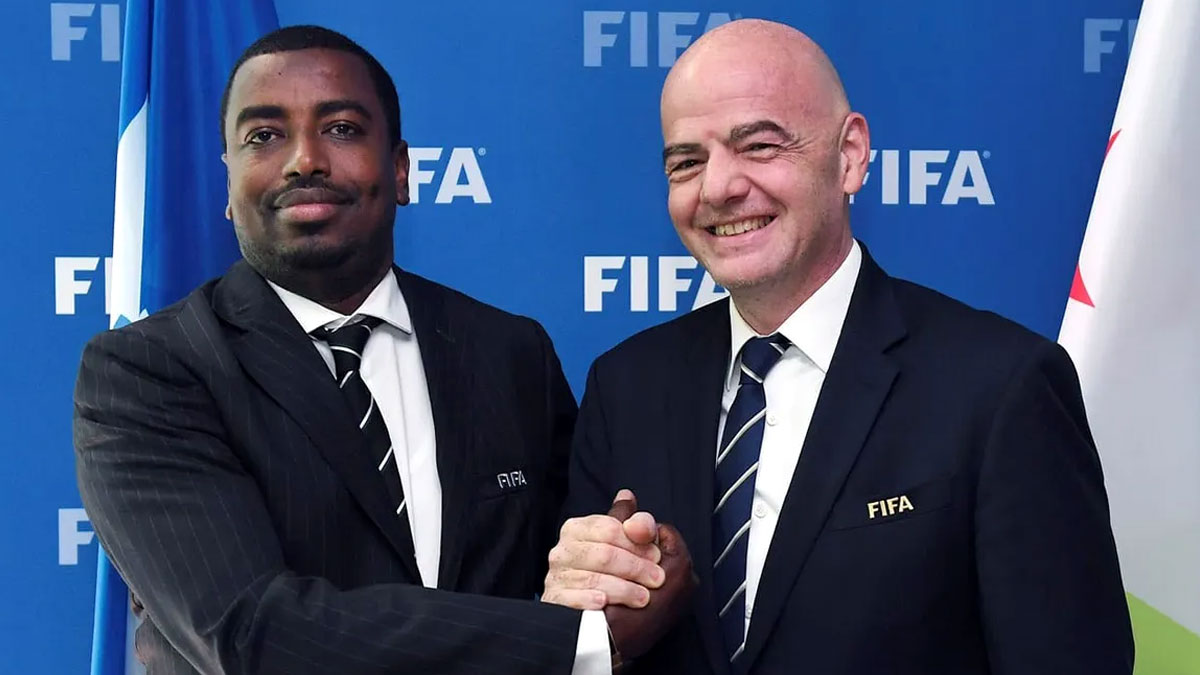
In a significant show of unity, the Council for East and Central African Football Associations (CECAFA) has pledged unanimous support to Djibouti FA President Hassan Waberi Souleiman in his bid for a seat on the FIFA Council. The announcement came during CECAFA’s General Assembly held in Juba, South Sudan.
Mr. Waberi, who also serves as a CAF vice president, will contest for one of Africa’s six allocated spots on the FIFA Council during the CAF elections scheduled for March 12 in Egypt. The FIFA Council, composed of 37 members globally, reserves five seats for African men and one for a woman representative.
Speaking at the General Assembly, Ethiopian Football Federation President Isayas Jira Bosho emphasized CECAFA’s unified support. “Mr. Waberi is the sole candidate for the CECAFA region, and he has all our backing to secure the FIFA Council seat,” said Bosho, reinforcing the bloc’s solidarity.
CECAFA President Wallace Karia echoed this sentiment, reaffirming the region’s commitment to president Waberi’s candidacy. Somali Football Federation President Ali Abdi Mohamed also commended president Waberi’s contributions as CAF vice president. “We are throwing all our support behind Waberi,” Mohamed declared.
FIFA Council Candidacy Landscape
The upcoming CAF elections feature a competitive roster of candidates for the FIFA Council seats. In the men’s category, the confirmed contenders include:
- Fouzi Lekjaa (Morocco)
- Hani Abou Rida (Egypt)
- Yahya Ahmed (Mauritania)
- Hassan Waberi Souleiman (Djibouti)
- Amaju Pinnick (Nigeria)
- Idriss Diallo (Côte d’Ivoire)
- Mathurin de Chacus (Benin)
- Augustin Senghor (Senegal)
- Djibrilla Hima Hamidou (Niger)
- Andrew Kamanga (Zambia)
Mali’s Mamoutou Touré has withdrawn from the race.
In the women’s category, three candidates are vying for the single slot:
- Isha Johansen (Sierra Leone)
- Kanizat Ibrahim (Comoros)
- Lydia Nsekera (Burundi)
Key Election Dynamics
A notable development for the March elections is the removal of language restrictions in the voting process, a change that could significantly influence voting outcomes.
CECAFA’s endorsement of president Waberi underlines the region’s cohesive strategy to ensure representation on the global football stage. As the elections approach, all eyes will be on Cairo as Africa decides its voice in FIFA’s highest governing body.
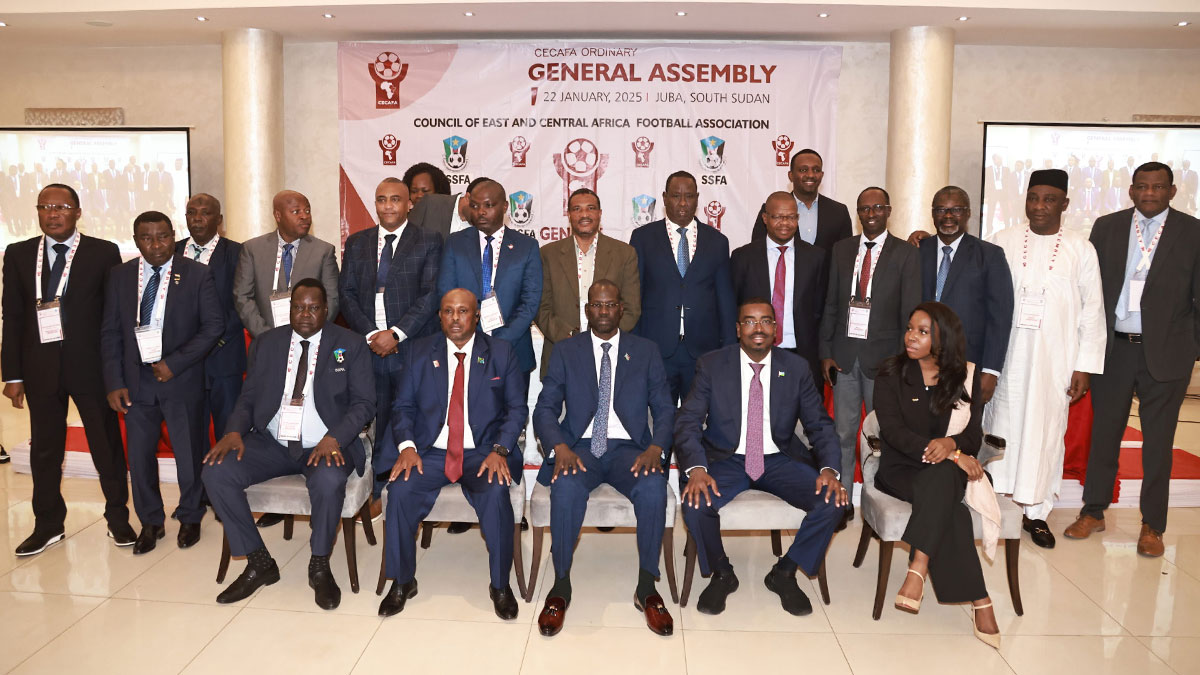
While president Waberi’s campaign dominated the political discourse, the General Assembly also focused on approving development programs and football competitions for 2025, underscoring CECAFA’s dual commitment to governance and grassroots development.
